
Menu
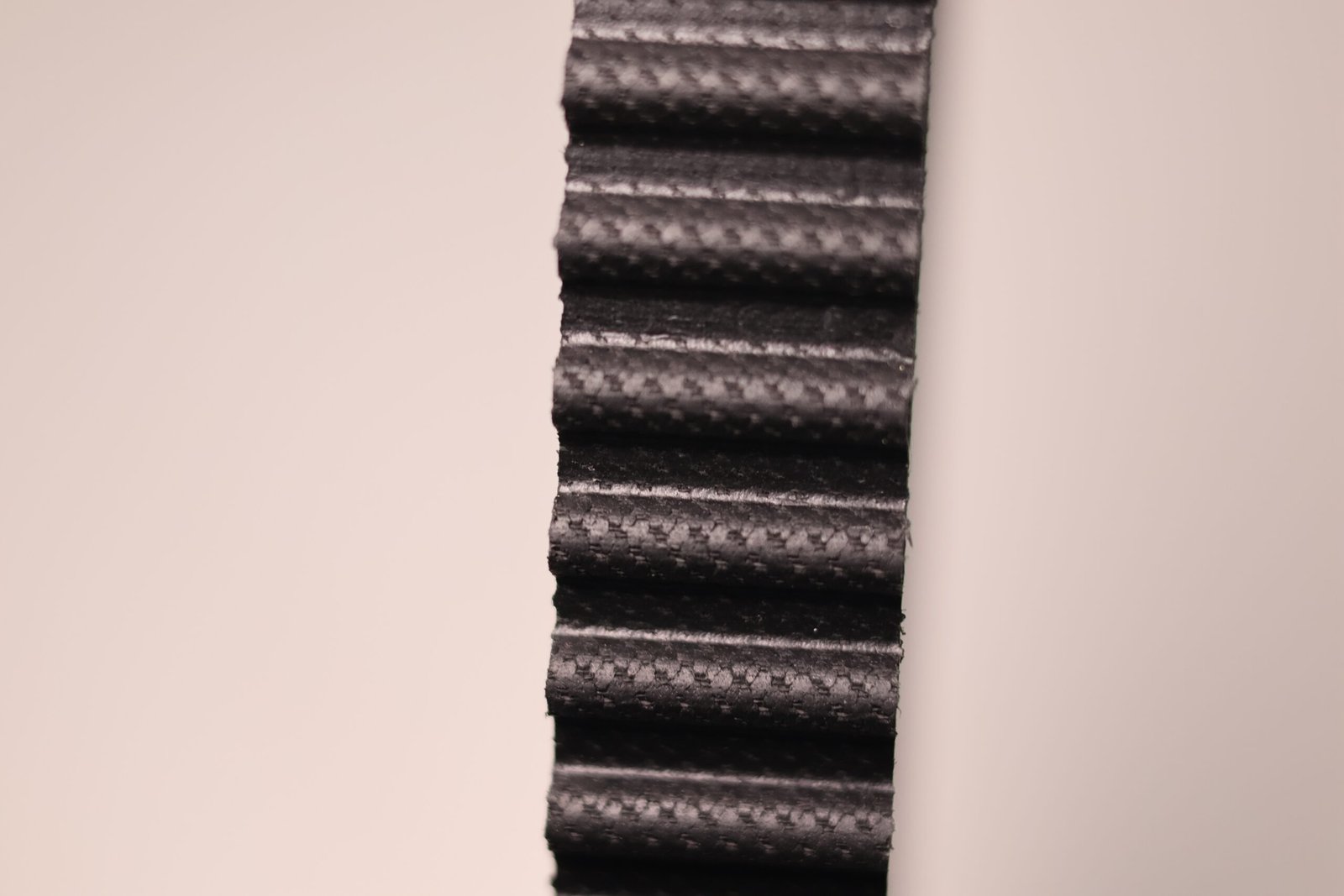
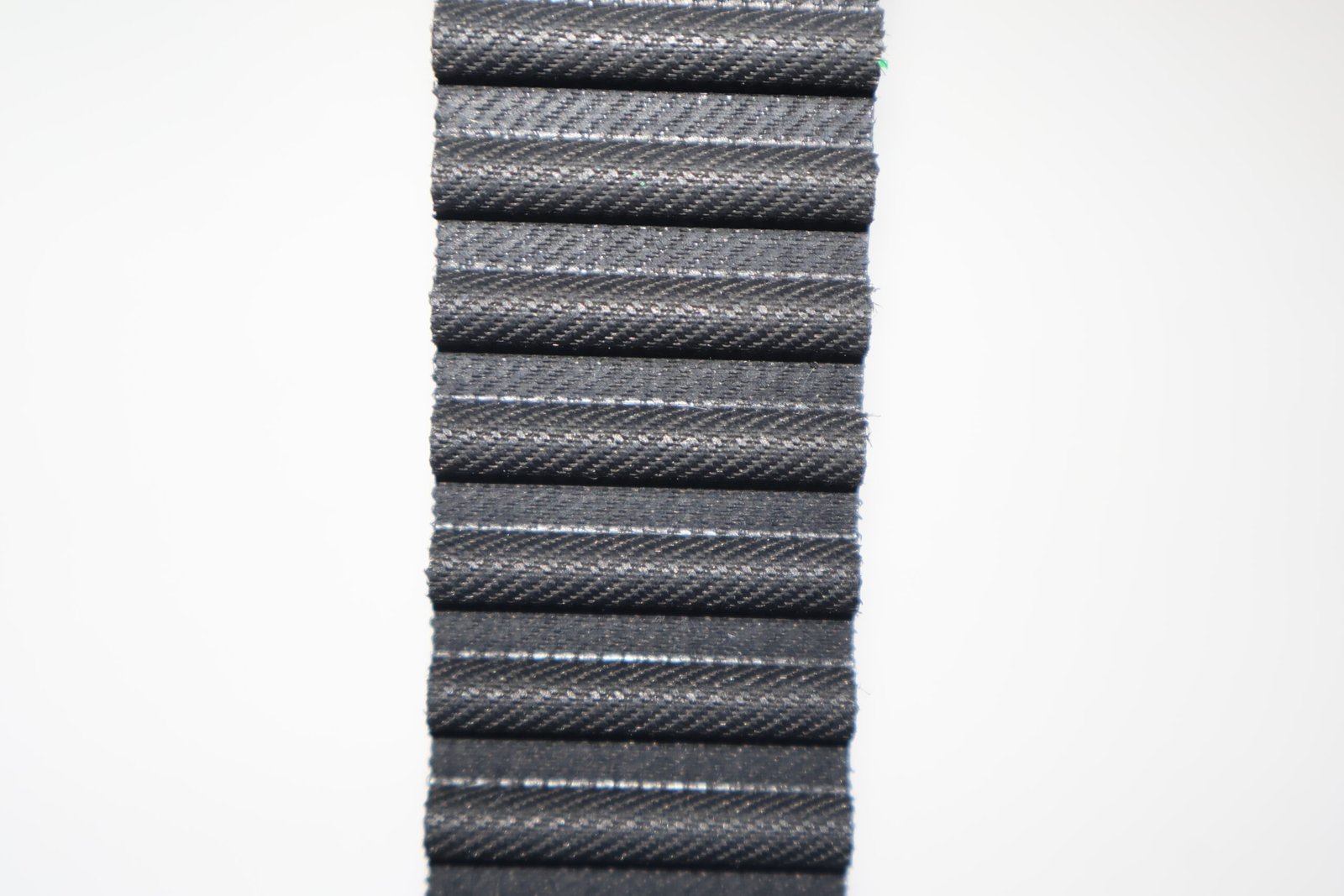
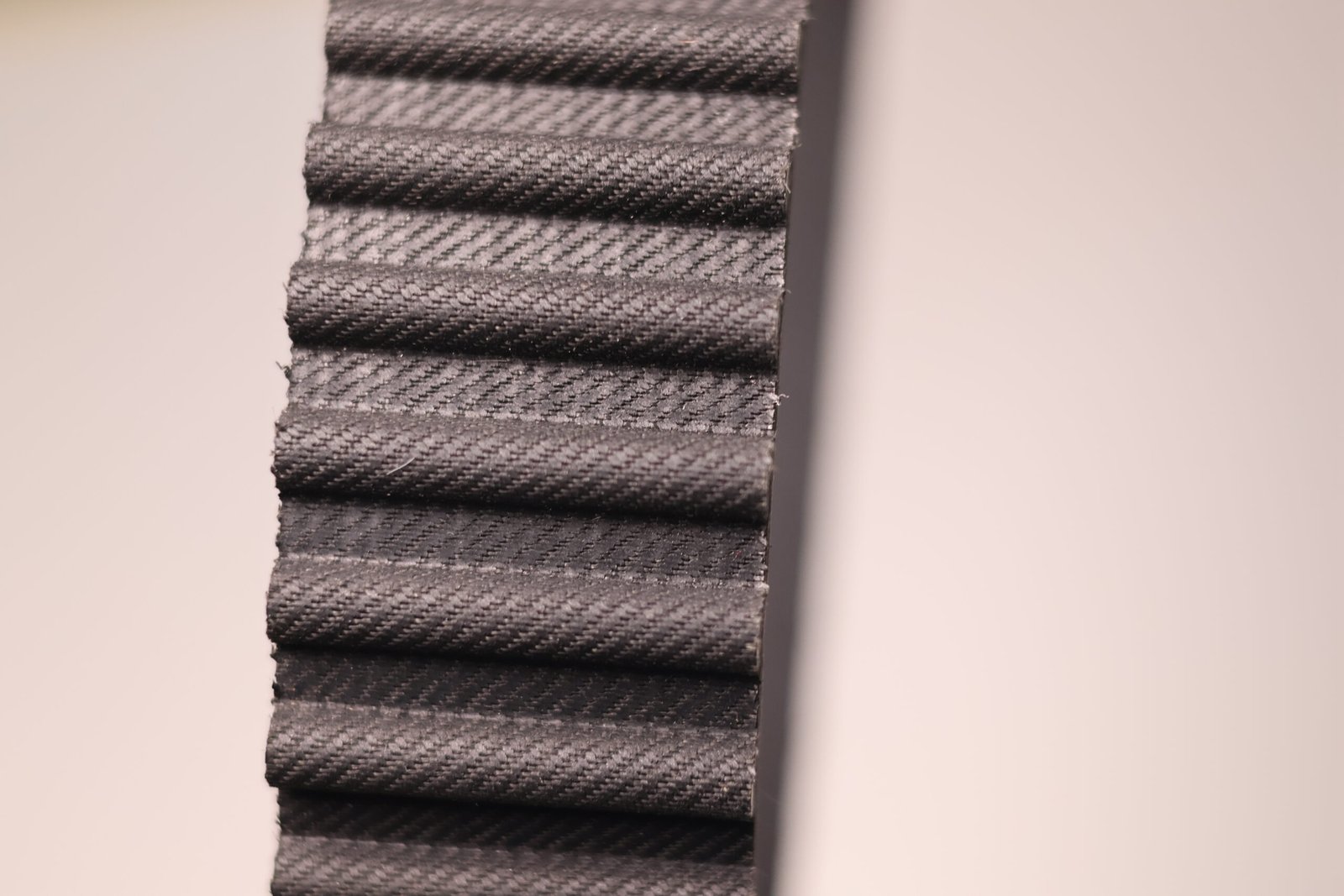
An auto timing belt is a synchronization component, not a generic replacement part. In automotive engines, it controls the timing relationship between key rotating components. If the belt profile, material direction, or dimensional accuracy does not match the application, the result is not only belt wear. It can directly affect engine operation and service reliability.
At LYBELT, we manufacture automotive timing belts for replacement supply, distributor programs, and OEM/custom development. For buyers, the real concern is stable fitment, consistent production, and whether the supplier can support repeat supply under controlled standards.
| Parameter | Specification |
|---|---|
| Application | Automotive timing systems depending on vehicle requirement |
| Tooth Profiles | Application-based timing belt profiles |
| Materials | EPDM, CR, HNBR and other materials depending on requirement |
| Reinforcement | Application-based cord structure |
| Tooth Surface | Covered tooth surface depending on design |
| Quality System | IATF 16949, ISO 9001, ISO 14001, ISO 45001 |
Timing belts are used where synchronized engine timing must be maintained under repeated load, heat, and long service intervals. In these systems, the belt is expected to do more than rotate with the pulleys. It must keep accurate engagement over time.
That is why buyers comparing suppliers should not evaluate timing belts by dimensions alone. The full belt construction and the supplier’s process control both affect field performance.
Different automotive timing systems do not demand exactly the same belt construction. Material selection should follow the operating environment, temperature level, and durability target of the application.
For buyers, the useful question is not only what material sounds better on paper, but whether the belt construction matches the target engine system.
HNBR timing belt is one of the more common search phrases from buyers comparing material direction in automotive timing systems. In practical sourcing terms, HNBR is usually considered when the application demands stronger heat resistance, better resistance to aging, and more stable performance under demanding engine-bay conditions than a more standard compound may offer.
That does not mean every timing belt should automatically be HNBR. The right choice still depends on the target engine system, service interval expectation, operating temperature, and cost target. For buyers, the useful comparison is not “HNBR sounds better, so use it everywhere.” It is whether the belt construction, tooth profile, reinforcement, and compound system are matched to the actual application.
That is why serious buyers usually review HNBR timing belts as part of the broader material and fitment discussion, not as a standalone buzzword item.
Automotive timing belt sourcing should focus on practical fit and stable supply.
Buyers often review the actual Timing Belt page together with certifications, About Us, and OEM & ODM capability before moving into serious cooperation.
For replacement markets, distributors, and private-label projects, timing belt supply may involve more than one standard part number. Custom cooperation may include:
It helps maintain synchronized timing between key engine components in automotive timing systems.
No. Profile, dimensions, materials, and reinforcement can vary depending on the application.
Common directions include EPDM, CR, and HNBR depending on heat resistance, durability, and application requirements.
Yes. Support can include cross-reference, material review, marking, packaging, and repeat supply coordination.
They should check fitment accuracy, construction logic, production consistency, and whether the supplier can support long-term repeat supply.
If you are sourcing auto timing belts for replacement markets or OEM/custom development, Contact Us with your part number, drawing, or application details. We can help review the right product direction for your market.


