
Menu
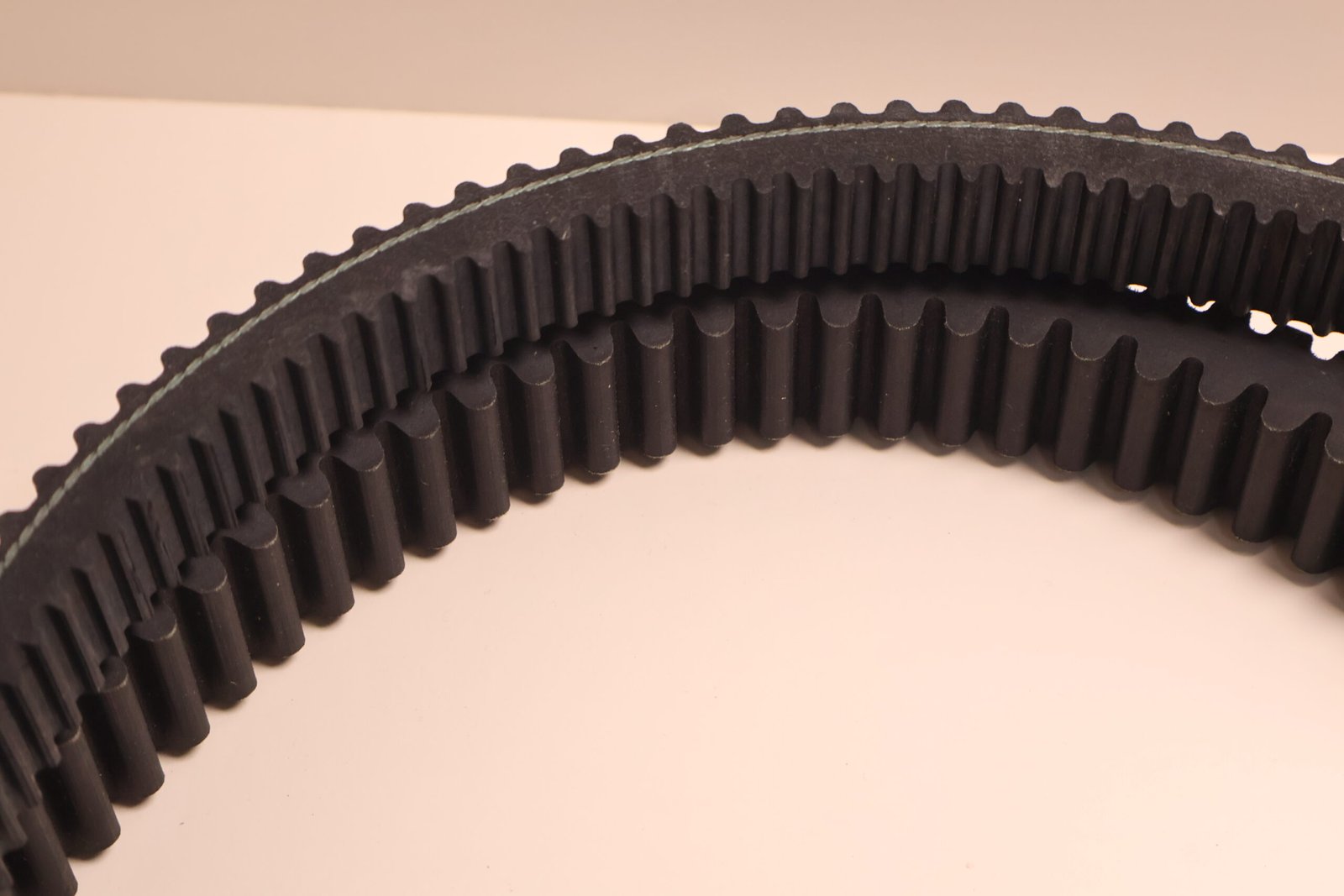

Big truck belts are used in heavy-duty vehicle systems where operating hours, load stability, heat, and maintenance pressure are usually higher than in ordinary passenger-car use. That is why buyers should not source truck belts as if they were just another generic automotive part. Application fit, material choice, and repeat-order consistency all matter.
At LYBELT, we manufacture rubber belt products for automotive and commercial vehicle supply, including heavy-duty belt requirements in replacement and OEM/custom programs. For buyers, the key issue is whether the supplier can support stable product quality for real working conditions.
| Parameter | Specification |
|---|---|
| Application | Heavy-duty vehicle and commercial vehicle belt systems |
| Belt Types | Timing belt, ribbed belt, V-belt and related drive belts depending on requirement |
| Materials | Application-based rubber compounds depending on operating condition |
| Reinforcement | Application-based cord structure |
| Quality System | IATF 16949, ISO 9001, ISO 14001, ISO 45001 |
Heavy-duty vehicles may operate for long hours, under variable load, and in conditions where downtime is expensive. In these systems, belts are expected to maintain stable transmission behavior over repeated service cycles.
That is why a useful truck belt supplier should be able to explain not only fitment, but also construction logic and quality control.
Truck-related belt supply may involve different product families depending on the drive system.
Because vehicle systems differ by design, the correct belt direction should always be based on actual application data rather than model naming alone.
For fleet, distributor, and aftermarket buyers, the real question is not simply whether the belt can be quoted. The better question is whether it can be supplied consistently for the intended working conditions.
Buyers comparing truck belt suppliers often also review certifications, About Us, and OEM & ODM capability together.
Truck belt projects may include more than a simple replacement quotation. OEM and custom cooperation may involve:
Depending on the system, truck-related applications may use ribbed belts, V-belts, timing belts, and other drive belts.
Because heavy-duty service conditions can create higher heat, longer running hours, and greater pressure on component stability.
Yes. Support may include cross-reference, material review, marking, packaging, and repeat supply coordination.
They should check application fit, production consistency, quality systems, and whether the supplier can support long-term repeat supply.
LYBELT supports automotive and related belt supply programs, including application-based development for replacement and OEM/custom needs.
If you are sourcing big truck belts or related heavy-duty vehicle belts for aftermarket distribution or OEM/custom cooperation, Contact Us with your part reference, drawing, or application details. We can help review the right product direction for your project.


