
Menu
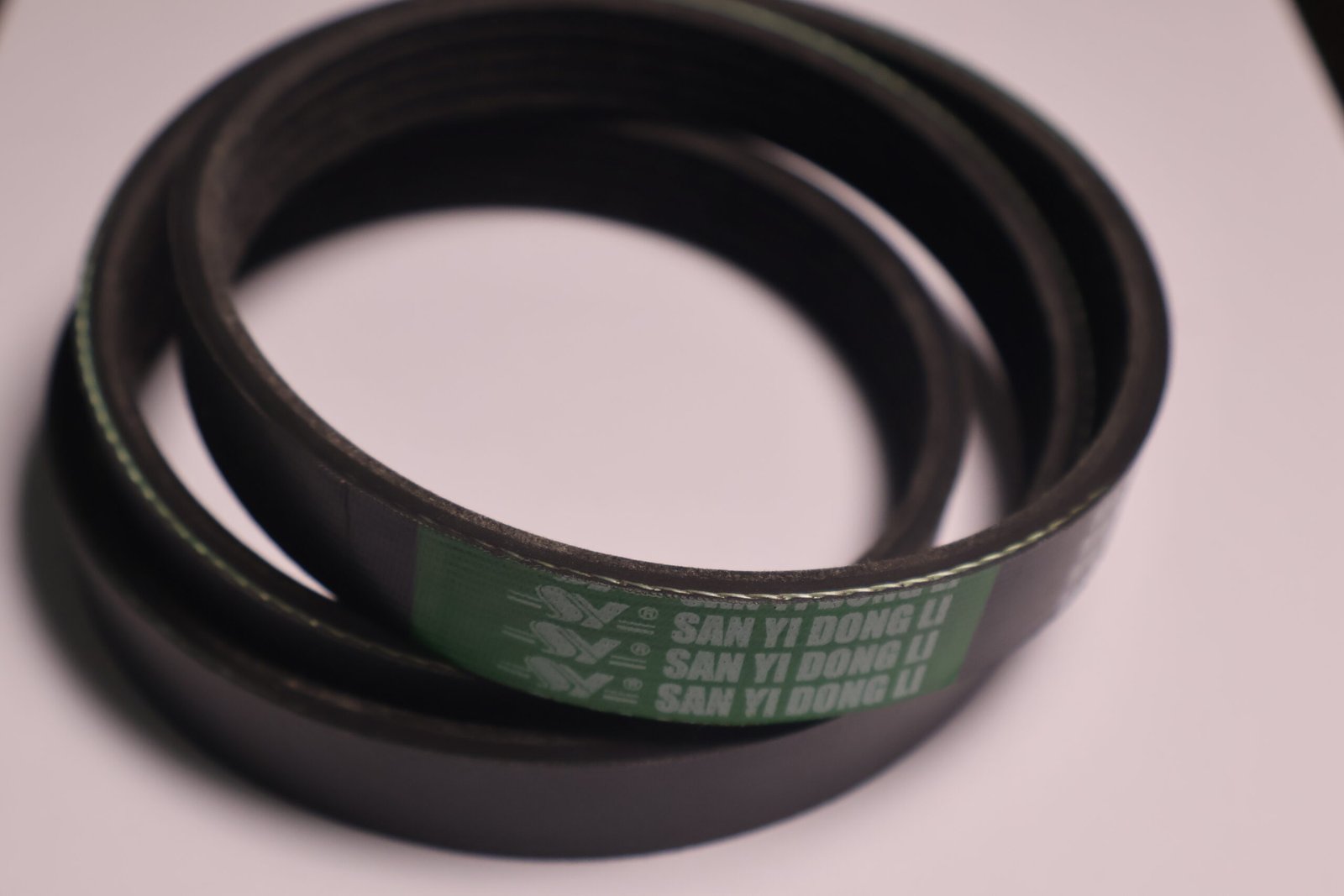
Audi belt sourcing is not about brand labeling alone. Different Audi applications can involve timing belts, V-belts, and poly V or serpentine belts depending on the engine system and accessory layout. For buyers, the real issue is whether the supplier can support correct fitment, stable production quality, and repeat supply across the relevant belt families.
At LYBELT, we supply Audi belt products for replacement markets, distributors, wholesalers, and OEM or custom programs. The useful value is not a long list of vehicle names. It is application-focused belt supply built around material stability, dimensional control, and consistent manufacturing standards.
| Parameter | Specification |
|---|---|
| Application | Audi vehicle belt systems depending on model and engine configuration |
| Belt Types | Timing belt, automotive V-belt, poly V belt / serpentine belt depending on requirement |
| Materials | EPDM, CR, HNBR and other application-based compounds |
| Reinforcement | Application-based cord structure |
| Quality System | IATF 16949, ISO 9001, ISO 14001, ISO 45001 |
When buyers search for Audi belts, they are often referring to more than one product family. A useful supplier page should make that clear from the start.
That is why buyers often compare this page with the broader automotive belt category and with product-specific pages such as the timing belt, automotive V-belt, and poly V belt.
An Audi belt that fits dimensionally can still perform poorly if the belt construction is not matched to the actual operating environment. Heat, flexing, load variation, pulley condition, and service expectations all affect how the belt behaves in the field.
For B2B buyers, the important question is not which material sounds better in marketing language. It is whether the compound and reinforcement system match the target Audi application and expected service conditions.
Supplier evaluation should go beyond brand references. A strong Audi belt supplier should be able to explain how it handles real production and supply requirements.
That is why buyers frequently review both OEM & ODM capability and company background before moving to quotation or sample evaluation.
Audi belt complaints are not always caused by the belt itself. Common risk points include:
That is why a good supplier page should help buyers understand whether the factory is ready for repeat supply, not just one-off inquiries.
It usually refers to different Audi-related belt families such as timing belts, V-belts, and poly V belts depending on the application.
No. A brand-level page can define supply scope, but the exact belt still depends on the specific application, engine configuration, and OE reference.
Because service life, heat resistance, and dimensional stability depend heavily on the compound and reinforcement system used in the belt construction.
They should confirm the belt family involved, application references, and how the supplier controls repeat production quality.
Yes. LYBELT supports OEM, distributor, wholesale, and custom belt supply across automotive belt product families.
Audi belt sourcing should be treated as an application and supply issue, not just a brand-label exercise. For buyers, the value lies in stable fitment, controlled production, and a supplier that understands the functional differences between belt types.
If you are sourcing Audi belt products for replacement, distributor, wholesale, or OEM programs, contact us with the target application, reference numbers, or sample details. We can help review the right belt direction for your project.


